All Categories
Featured
Local Maintenance Center Standards for SoCal
Table of Contents
That matters, considered that the energy plants account for about half of the water used on campus in a common year.
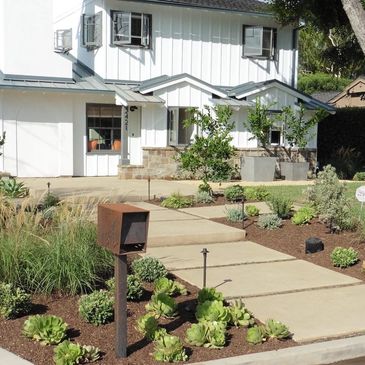
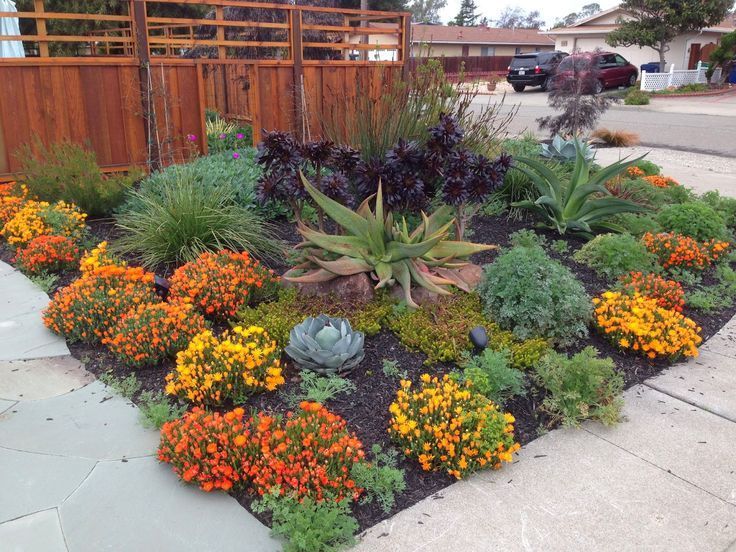
This website discusses how to develop and set up California friendly landscaping, watering approaches and devices that will help you water your landscape more efficiently, and ideas on how to quickly and efficiently maintain your garden. Please click on Lawn to Garden for examples of gardens that consist of style parts that are turf refund eligible.
2004-2025 Jadene Mayla, All Rights Reserved.
"Sustainable landscapes are responsive to the environment, re-generative, and can actively contribute to the development of healthy neighborhoods. Sustainable landscapes sequester carbon, clean the air and water, increase energy performance, bring back environments, and produce worth through significant financial, social and, ecological advantages." - From the American Society of Landscape Architects WE CAN DRAMATICALLY MINIMIZE YOUR LANDSCAPES WATER AND ENERGY USAGE, WHILE DEVELOPING A MORE LUSH, BEAUTIFUL, AND ECOLOGICALLY SUSTAINABLE GARDEN SPACE FOR YOU AND YOUR FAMILY TO ENJOY! Our company believe a garden should be naturally gorgeous and in balance with the regional communities.
We utilize only the most efficient water-saving and lighting innovation in our styles that require just a portion of the water and energy that older systems use. CBL create environment for regional and migratory bird as well as beneficial insect populations. We mostly uses natural fertilizers and mulches in our styles and initiates non-toxic insect control programs for all our tasks.
Landscape Maintenance Services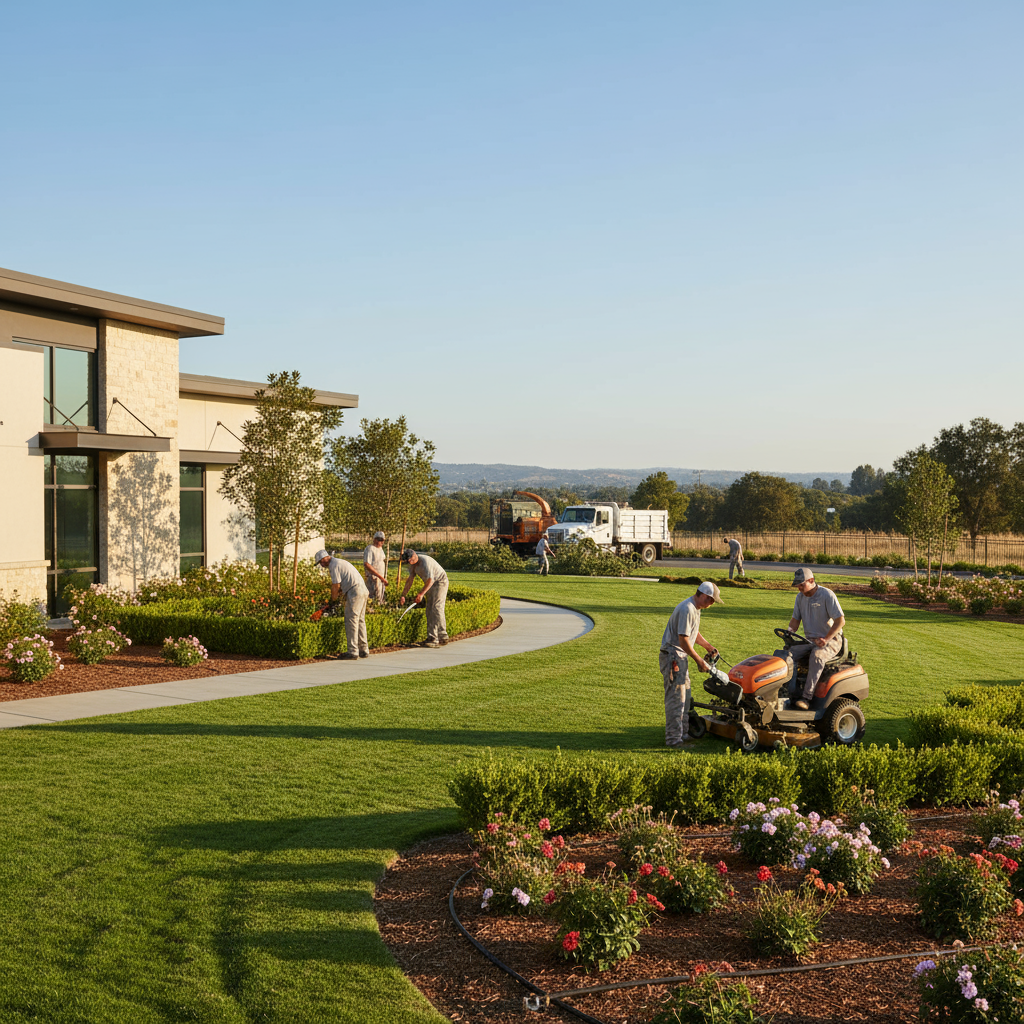
Maximizing Irrigation Savings With California Landscape Updates
It is our mission to develop exterior areas that are gorgeous and dynamic, that need little water and energy, are healthy and delighted areas for our customers to take pleasure in, and that also supply functional benefits to our local environment.
Landscape Maintenance ServicesRaptors (e.g. hawks, owls, falcons) are large, charismatic bird types at the top of the food cycle. They experienced human-driven population crashes during the 19th and 20th centuries. While a subset of these species has actually recovered in the Los Angeles area, others have not and are intolerant of urbanization and other human activities.
Nesting areas of raptors are also essential indicators of community health in city locations like the Los Angeles area. A number of federal government agencies, designers and not-for-profit companies gather information on urban-nesting raptors around the Los Angeles Basin, but these efforts are not well-coordinated. If this info can be consolidated, it will be helpful to producing management tools like maps and databases that can help assist local policy and land-use decisions.
Comprehensive water recycling, with 70-80% percent of stormwater overflow from around the website infiltrated natural wetlands and mechanical systems, and after that used to water the surrounding parkland. 4,609,504 gallons of rainwater recorded per year. Yearly carbon emissions decrease due to planting area of about 240,000 pounds of CO2 sequestered by trees on site 16.65 acres of total planting area (5.4 acres at SoFi Stadium, 2.75 acres at Lake Park, and 7 acres of streetscape planting, to name a few 6-plus miles of new tracks and courses (4.17 miles of enhanced direct streetscape including pathways, 1.89 miles of new multi-use routes, and about 2,300 direct feet of brand-new Class II on-street bikeways) More details in the full press release below: a near 300-acre sports and entertainment location being established by dealt with a landscape architecture and city style studio, to create civic and ecologically mindful landscape solutions across 3 essential locations: water capture and reuse, the usage of 100 percent Southern California-native plant species, and the ongoing advancement of public parks for year-round use.
Motivated by the initial water function that belonged to the former Hollywood Park racetrack, Lake Park includes an upper and lower lake separated by cascading waterfalls. At around 6 acres and 16 million gallons of water, the lake is surrounded by an additional 6 acres of parkland. The lake works as a water recycling system by gathering 70-80 percent of stormwater overflow from around the website, filtering it through natural wetlands and mechanical systems, and then using it to water the surrounding parkland.
Adopting Drought-Resistant Landscaping in Orange County
Substantial water recycling, with 70-80% percent of stormwater overflow from around the website filtered through natural wetlands and mechanical systems, and then used to water the surrounding parkland. 4,609,504 gallons of rainwater captured each year. Yearly carbon emissions decrease due to planting area of about 240,000 pounds of CO2 sequestered by trees on website 16.65 acres of total planting area (5.4 acres at SoFi Stadium, 2.75 acres at Lake Park, and 7 acres of streetscape planting, to name a few 6-plus miles of new routes and courses (4.17 miles of improved direct streetscape including walkways, 1.89 miles of brand-new multi-use tracks, and about 2,300 direct feet of new Class II on-street bikeways) More information in the complete news release below: a near 300-acre sports and entertainment destination being established by dealt with a landscape architecture and metropolitan design studio, to develop civic and ecologically mindful landscape options across 3 essential locations: water capture and reuse, the usage of one hundred percent Southern California-native plant types, and the continued advancement of public parks for year-round usage.
Inspired by the original water function that belonged to the former Hollywood Park racetrack, Lake Park consists of an upper and lower lake separated by cascading waterfalls. At around 6 acres and 16 million gallons of water, the lake is surrounded by an additional 6 acres of parkland. The lake operates as a water recycling system by collecting 70-80 percent of stormwater overflow from around the site, filtering it through natural wetlands and mechanical systems, and then using it to water the surrounding parkland.

Latest Posts
Measuring the ROI of Green Investments
Scaling Green Projects Across Urban Areas

Navigating 2026 ESG Benchmarks for Properties